Other Mommy Book vs Movie: Adaptation Changes & Ending
⚠ Spoiler warning: this page reveals major plot details. Prefer it spoiler-free? Read the no-spoiler review.
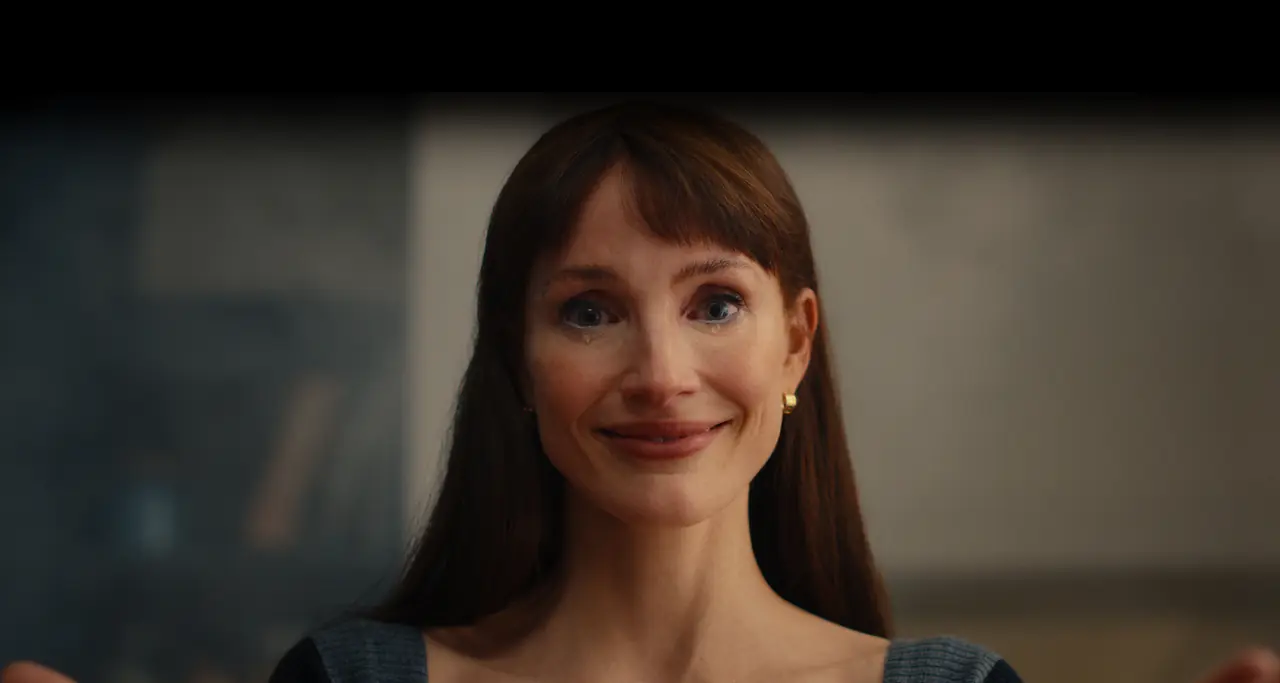
The 2026 horror film Other Mommy adapts Josh Malerman's 2024 novel Incidents Around the House while shifting its devastating conclusion. Director Rob Savage replaced the book's chilling Lake Michigan takeover with an empowering theatrical finale where seven-year-old Bela actively rejects the entity, transforming a hopeless psychological tragedy into a battle for personal resilience.
From Page to Screen: Josh Malerman’s Supernatural Vision
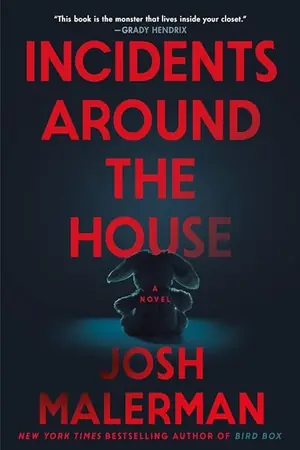
Horror literature often provides fertile ground for modern cinema, and Josh Malerman stands as one of the genre’s most evocative voices. Following the global acclaim of his bestselling novel Bird Box, Malerman published Incidents Around the House in 2024 to widespread praise from dark fiction enthusiasts. The novel captivated audiences with an intimate first-person perspective, drawing readers into the unsettling domestic sphere of an innocent child.
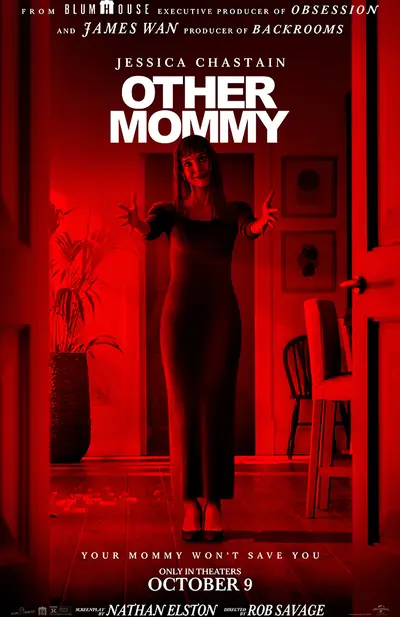
Filmmaker Rob Savage, acclaimed for directing Host and The Boogeyman, partnered with producer James Wan and Blumhouse Atomic Monster to adapt Malerman’s chilling text for Universal Pictures. Screenwriter Nathan Elston, celebrated for his WGA award-winning work on Succession, crafted the screenplay to translate the written word into a gripping 93-minute psychological horror feature. Malerman himself contributed to the cinematic venture as an executive producer alongside Michael Clear, Judson Scott, Ryan Lewis, and Savage.
The Evolution of the Title
Production on the cinematic adaptation began under unique creative conditions across the Atlantic. Principal photography took place in Dublin, Ireland, running from May 12 through July 9, 2025. During initial production stages, the crew reportedly operated under the working title Grandma’s House.
Blumhouse and Universal Pictures officially retitled the movie Other Mommy in July 2025. This rebranding placed immediate emphasis on the terrifying entity haunting seven-year-old Bela. In the film, Academy Award winner Jessica Chastain takes on an ambitious dual role, portraying Bela’s corporate-focused mother Ursula alongside the mimetic monster known as Other Mommy. Exploring the stellar cast guide highlights how Chastain anchors both familial tension and supernatural terror.
Tale of Two Endings: Book vs Movie
The central divergence between Josh Malerman’s source material and the 2026 film centers upon the fate of young Bela. In both versions, a malevolent entity seeks to invade the child’s soul, asking repeatedly for permission to enter her heart. However, the emotional trajectory shifts dramatically during the final confrontation.
Malerman delivers an intensely bleak, chilling resolution in his 2024 novel. Bela initially reassures the adults in her life that the danger has passed. The following morning at Lake Michigan, she encounters the creature once again. When the entity asks to enter her heart, Bela surrenders and grants permission. The novel leaves Bela stranded in a vast, desolate void while the malevolent spirit practices speaking with her voice, implying a permanent and tragic spiritual takeover.
The 2026 theatrical release steers toward defiance and survival. During the climactic basement siege, Bela runs upstairs to confront the mimicking demon directly. Remembering the vital lesson from Grandma Ruth (Karen Allen) that emotional pain is an unavoidable part of human life, Bela steadfastly denies the creature permission. As analyzed in our comprehensive ending explained guide, Bela pretends to offer her heart before destroying the entity, preserving her autonomy.
| Narrative Element | Josh Malerman’s Novel (2024) | Rob Savage’s Film (2026) |
|---|---|---|
| Source Title | Incidents Around the House | Other Mommy |
| Climactic Location | Lake Michigan shoreline | The family home’s upper floor |
| Bela’s Decision | Bela grants the entity permission to enter her heart | Bela denies permission and actively destroys the trickster demon |
| Bela’s Ultimate Fate | Total spiritual takeover inside a vast empty void | Physical survival and preservation of her humanity |
| Thematic Tone | Relentless tragedy and psychological defeat | Hard-fought resilience and personal agency |
Why the Film Embraced an Empowering Resolution
Theatrical horror features often demand catharsis that differs from the experimental dread found in contemporary fiction. Nathan Elston’s screenplay reshapes Bela’s journey into an arc of emotional maturity. In the cinematic narrative, Grandma Ruth provides Bela with the psychological tools needed to withstand supernatural manipulation. Ruth explains that experiencing pain remains an essential component of living, effectively removing the demon’s primary leverage.
Audiences witnessing Bela’s confrontation see a young protagonist actively outsmarting a predator. By having seven-year-old Bela (Arabella Olivia Clark) resist the demon’s false promises of a painless existence, the movie delivers an empowering resolution. Readers following our plot summary can trace how Bela’s growing understanding of adult vulnerabilities enables her to defend her own life.
Lingering ambiguity still maintains the unsettling atmosphere expected of a Blumhouse production. The film epilogue shows the family hanging Christmas lights months later, with Bela observing troubling reminders of her mother’s persistent unhappiness. ComicBasics notes that Bela discovers Ursula’s neck scar matches an identical mark upon her own back, keeping psychological dread alive without fully succumbing to the book’s total despair.
Exploring Further Differences in the Novel
Screen adaptations naturally streamline storylines to fit a tight cinematic runtime. The 2026 movie focuses intently on the core family dynamic between Ursula, Bela, and Bela’s dad (Jay Duplass). Additional supporting characters, including exorcist Lois (Dichen Lachman) and Ursula’s associate Frank (Arian Moayed), bring distinct narrative dimensions to the screen.
Josh Malerman’s prose offers a singular literary journey that horror fans should experience directly. Reading Incidents Around the House unveils the internal monologue and psychological nuances that only literature can provide. Dedicated fans eager to discover every unverified divergence, secondary character detail, and subtle atmosphere are encouraged to purchase a copy of the 2024 book.
Moviegoers can currently witness Rob Savage’s cinematic interpretation on the big screen, as detailed in our guide on where to watch the film. Comparing both mediums reveals how skilled storytellers can reinterpret supernatural terror to evoke distinct, powerful emotional responses.
FAQ
What book is the movie Other Mommy based on?
The film adapts the 2024 horror novel Incidents Around the House by Josh Malerman, the author renowned for Bird Box.
Why was the title changed from Incidents Around the House?
Production began under the working title Grandma's House before Universal and Blumhouse officially renamed the project Other Mommy in July 2025.
How does the novel ending differ from the movie finale?
In the novel, Bela surrenders her heart at Lake Michigan and loses her identity, whereas the film allows Bela to deny permission and defeat the demon.
Are there other plot differences between the book and film?
Readers should explore Josh Malerman's original 2024 book directly to experience every distinct narrative nuance and chilling detail firsthand.